
Itinerary
5 Days: Great Ocean Road & the Grampians Itinerary
The Great Ocean Road alone is a two-day minimum — see our Great Ocean Road route guide for why one day turns 243 km into a rushed photo stop instead of a drive. This itinerary uses that same coastal leg but keeps going: instead of driving the same road back to Melbourne, it continues inland to the Grampians (Gariwerd) for two more days before looping home, which is a better use of five days than doing the coast twice.
- Length
- 5 days
- Total distance
- ~800 km loop from Melbourne
- Season
- March–May and September–November are best for the coast; the Grampians add their own spring wildflower season, roughly September–November, if timing allows. December–March is busy on the coast and carries real bushfire risk inland — check the CFA fire danger rating if travelling then.
- Vehicle
- Any 2WD. The entire loop is sealed. The Great Ocean Road half is comfortably doable in an EV; treat Halls Gap in the Grampians as needing more planning, with Ballarat or Warrnambool as the practical charging stops either side of the park.
- Suits
- Couples, Friends Group, Family

Route map
Approximate route: Melbourne → Apollo Bay → Port Campbell National Park → Halls Gap. Shown for planning only — this is not a turn-by-turn route. Always check current road conditions before you travel.
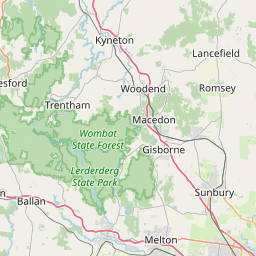

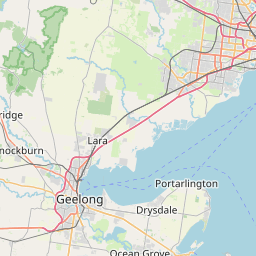
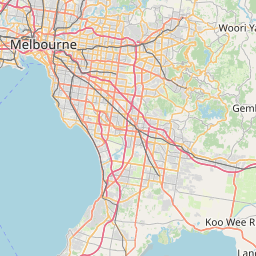
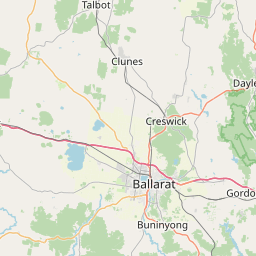
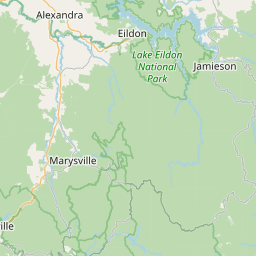
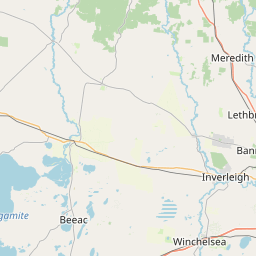
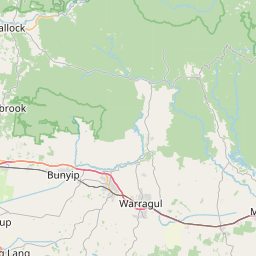
Route stops in order: 1. Melbourne, 2. Apollo Bay, 3. Port Campbell National Park, 4. Halls Gap.
The order matters. Drive the coast first while you're fresh — Torquay to Port Campbell over two days — then turn inland. Coming home via the Grampians and the Western Highway is also simply a different, faster road than backtracking the coast, which is itself a reason to loop rather than go there-and-back.
Wildlife is a real consideration on both halves of this trip, not just the Otways — kangaroos and wallabies are active at dawn and dusk on the forest sections of the coast road and on the approaches to the Grampians through farmland. Build transit days around daylight hours and treat any dawn or dusk leg as a slow one.
Day by day
| Days | Route | Distance | Drive | What you do | Sleep |
|---|---|---|---|---|---|
| Day 1 | Melbourne → Torquay → Apollo Bay | ~180 km | ~3h with stops | The eastern half of the Great Ocean Road — Aireys Inlet's Split Point Lighthouse, Lorne, and the wild koalas at Kennett River — is covered in detail in our Great Ocean Road guide. Apollo Bay is the sensible overnight; it's the last full-service town before the road turns inland through the Otways. | Apollo Bay |
| Day 2 | Apollo Bay → Port Campbell | ~100 km | 1h 40m plus stops | Maits Rest boardwalk in the Otway rainforest, then the Twelve Apostles, Loch Ard Gorge and Gibson Steps in Port Campbell National Park. Arrive with the afternoon light still good — the Apostles are far better late in the day than in flat midday sun. | Port Campbell |
| Day 3 | Port Campbell → Grampians (Halls Gap) | ~225 km | ~3h | Inland via Camperdown and Dunkeld rather than back along the coast — genuinely different scenery, open farmland giving way to the Grampians' sudden sandstone ridgelines. Settle into Halls Gap, the park's base, with time for an easy afternoon walk such as the Pinnacle (4.2 km return from Sundial car park) if you arrive early enough. | Halls Gap |
| Day 4 | Grampians National Park (Gariwerd) | local | — | A full day in the park — Mackenzie Falls is the easiest big-payoff walk, and Bunjil's Shelter and the other rock art sites hold the largest concentration of Aboriginal rock art in southern Australia, with interpretive signage at several accessible shelters. Swap a second walking track for a lookout drive (Boroka Lookout, Reed Lookout) if anyone in the group isn't up for another hike. | Halls Gap |
| Day 5 | Halls Gap → Melbourne | ~260 km | ~3h | Via Ararat and Ballarat on the Western Highway — a fast, straightforward run home, with Ballarat's Sovereign Hill an optional last stop if you have a spare hour or two. | — |
Cost and booking notes
- Twelve Apostles and Port Campbell National Park entry is free; Grampians park entry is also free, though camping and some tours are booked and charged separately.
- Fuel is noticeably more expensive between Lorne and Port Campbell than in Melbourne or the larger inland towns — fill up before the Great Ocean Road's tighter, slower sections.
- December to March carries genuine bushfire risk in both the Otways and the Grampians — check the CFA fire danger rating each morning if travelling in that window, and know that Total Fire Ban days can close some park areas.
Common questions
Other plans travellers compare this with
Same region, or a similar length of trip.
- 5 Days in Melbourne5 days · Minimal driving — a tram, train and walking itinerary, with one optional day-trip driveRead the guide
- 5 Days: Yarra Valley & Dandenong Ranges5 days · ~250 km round trip from MelbourneRead the guide
- 5 Days: Bright, Mount Buffalo & the Victorian High Country5 days · ~180 km local driving from a Bright baseRead the guide
- 3 Days in Sydney3 days · Minimal driving — this is a walking, train and ferry itineraryRead the guide
- 4 Days in the Blue Mountains4 days · ~220 km round tripRead the guide
- Long Weekend in the Hunter Valley4 days · ~320 km round trip from SydneyRead the guide
Useful services on this trip
Related guides
Spotted something we should update? Let us know.